The Jackal and the Wolf
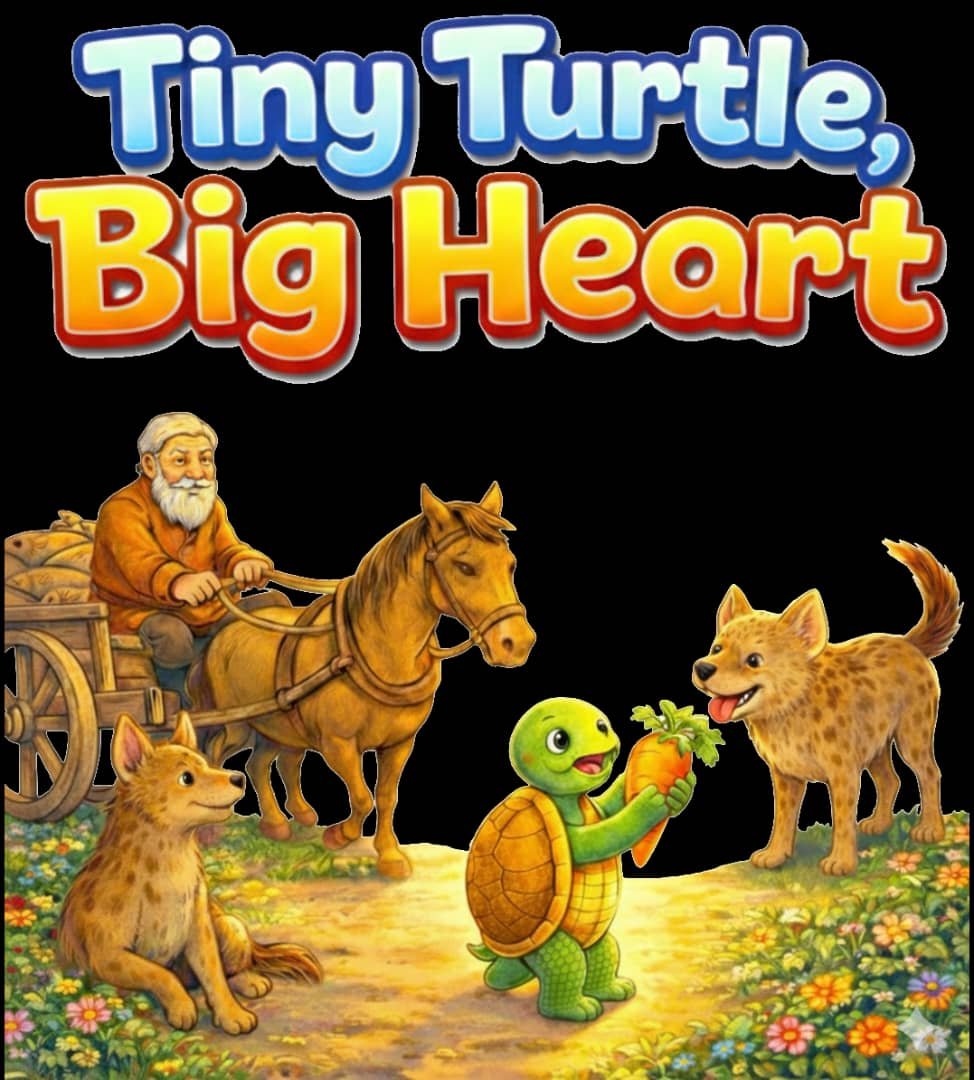
Long ago, in the wide lands of South Africa, there lived a clever Jackal.
Jackal was not very strong, but he was very smart.
He loved finding easy ways to get food.
One evening, Jackal walked along a dusty road.
Soon, he saw a slow wagon coming from the sea.
The wagon was full of shiny fish.
Jackal’s tummy rumbled.
Jackal tried to jump into the wagon, but it was too high.
So he made a plan.
He ran ahead and lay very still in the road.
He closed his eyes and stuck out his tongue.
He looked just like he was asleep forever.
The wagon stopped.
“Look!” said one man. “That animal could make a warm blanket.”
They lifted Jackal and placed him on the fish.
As the wagon moved, Jackal quietly tossed fish onto the road.
Plop. Plop.
Soon, there was a trail of fish behind the wagon.
When Jackal had enough, he jumped down and ate happily.
Later, Wolf found the fish.
He ate and ate without asking.
Jackal smiled and said, “You can get fish too. Just lie still in the road.”
The next day, Wolf tried it.
But he could not lie quietly.
The people saw him move and shouted.
Wolf jumped up and ran away very fast.
Wolf learned too late that copying without thinking can cause trouble.
Jackal, once again, had used his clever mind.
Story origin: A traditional Igbo folktale from southeastern Nigeria.
Read the full version on our regional website.
Lessons From This Story
This story teaches children to think carefully before copying others. Jackal made choices using his own skills, while Wolf followed without understanding. When we rush to do what others do, we can end up in trouble. It is better to think, ask questions, and make our own wise choices.
Word Helper
- Jackal: A small wild animal that looks like a fox.
- Wagon: A cart pulled by animals to carry things.
- Clever: Being smart and quick at thinking.
- Pretend: To act like something is real when it is not.
- Trail: A line or path left behind.
Summary for Parents / Teachers
This story offers strong educational value through a simple and engaging folktale format. It introduces children to emotional learning by showing how feelings like hunger, anger, and envy can influence behavior. Jackal’s calm planning contrasts with Wolf’s impatience, helping children recognize different emotional responses and their outcomes.
Moral development is a key focus. The story gently shows that copying others without understanding their actions can lead to mistakes. Wolf’s decision to imitate Jackal without thinking highlights the importance of independent judgment. Rather than lecturing, the story allows children to see consequences naturally unfold, making the lesson more meaningful and memorable.
Social skills are also addressed. Wolf eats the fish without sharing or asking, which creates conflict. This moment can open discussions about fairness, sharing, and respecting others’ efforts. Jackal’s trickery, while clever, also encourages conversations about honesty and responsibility in social interactions.
The tale comes from South African folktale traditions, where animal characters are often used to represent human traits. Jackal is a common trickster figure in many African stories, symbolizing intelligence and cunning rather than physical strength. Introducing children to this cultural context helps build cultural awareness and appreciation for global storytelling traditions.
The language and structure are suitable for young readers, with short sentences, clear actions, and a calm tone. Any potentially frightening elements from the original version have been softened to ensure emotional safety while preserving the story’s meaning.
Overall, this story supports critical thinking, empathy, and cultural learning, making it a valuable resource for classrooms, reading time, or family discussions.
Discussion Time
- Why do you think Jackal made a plan instead of giving up?
- How did Wolf feel when he copied Jackal?
- What could Wolf have done differently?
- Have you ever copied someone and it didn’t work out? How did that feel?
- This story comes from South Africa. Why do you think different cultures tell stories using animals?
This design was created as a visual echo of the story you just read. If you’d like to explore more story-inspired designs, you can visit our store.